My 2 Successful Oxford and Cambridge PhD Interview Presentations
My 2 Successful Oxford and Cambridge PhD Interview Presentations
Couldn't load pickup availability
The two original research presentations I used in my successful interviews for:
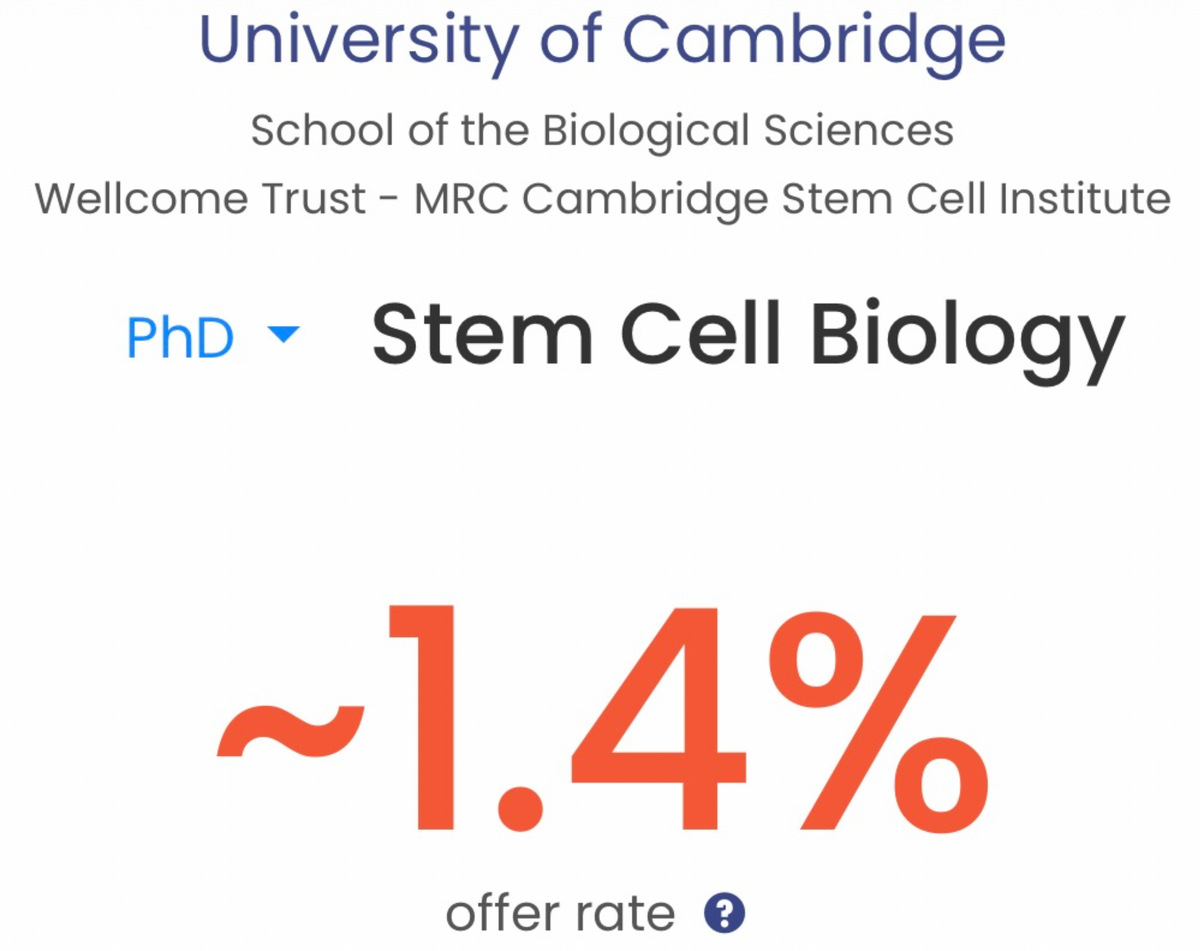
- PhD in Stem Cell Biology at the University of Cambridge
- DPhil in Medical Sciences at the University of Oxford
Both interviews resulted in offers.
For many competitive PhD programmes, the interview is one of the most important stages of the entire application process. You may have just one short interview — often around 30 minutes — to demonstrate your research ability, communicate your scientific thinking and convince the panel that you're a strong candidate for the programme and funding.
And it often starts with a very short 5-minute presentation.
Candidates are commonly asked to prepare a maximum 3–5 slide presentation, lasting no more than 5 minutes, covering their previous research, key results and/or motivation for applying. The challenge is striking the right balance: too little detail can fail to demonstrate your research ability, while too much can overwhelm the panel or force you to rush. With so little time to make an impression, getting those opening minutes right can be incredibly important.
These are the actual presentations I prepared and delivered for my successful Oxford and Cambridge PhD interviews.
You'll receive:
- My original Cambridge PhD in Stem Cell Biology interview presentation
- My original Oxford DPhil in Medical Sciences interview presentation
- Real examples of how I selected and condensed previous research for an interview panel
- Examples of how I presented scientific rationale, methods, results and conclusions
- An example of how I incorporated my background and motivation for applying
- Two successful examples to compare when structuring your own interview presentation
Rather than giving you a generic template, these show you what I actually presented in two real Oxbridge PhD interviews that resulted in offers.
They can be used as a reference when deciding what research to include, how much detail to give, how to structure a very short scientific presentation, and how to communicate your work clearly to an interview panel.
Important Disclaimer
These presentations are provided for educational and reference purposes only. They should not be copied, reproduced, submitted or presented as your own work, or used to misrepresent your research, experience or achievements.
Interview structures and requirements vary significantly between universities, programmes, departments and supervisors. These presentations represent my personal experience and are not official guidance from the University of Oxford or University of Cambridge.
Purchase does not guarantee an interview, offer, funding or any other application outcome.
Digital product — no physical item will be shipped.
Share